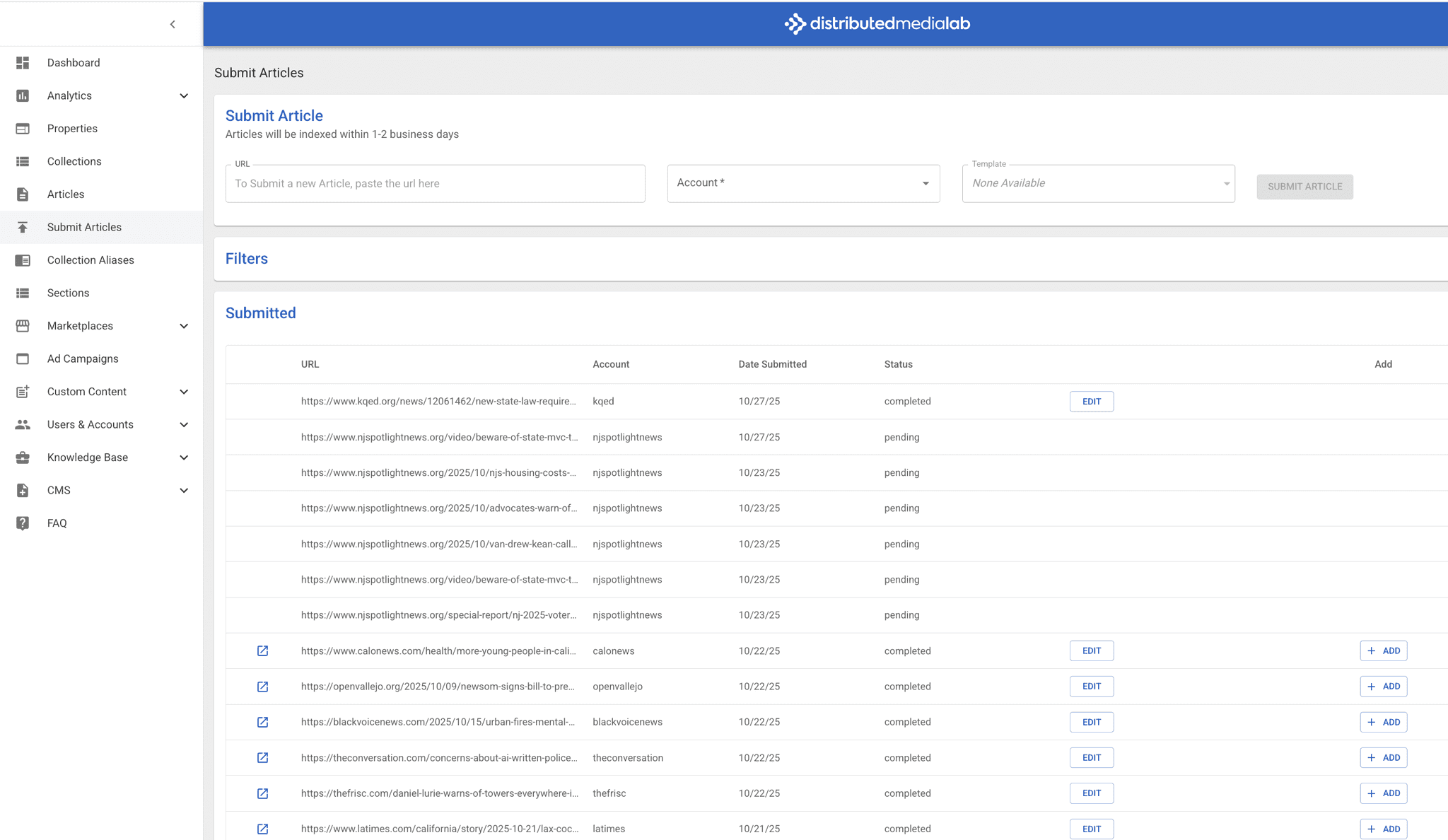

AMP Converter
Funded by Google News Inititiative, the AMP Converter is designed to standardize content to be added to the DML platform and syndicated across the web.
Role: Lead Product Manager, Product Designer
Contributions: PRD, UX Flow, UI Mockups
Result: Limitlessly faster uploading speeds
Product Building Process
Research
Best practices
Technologies stacks
Architecture
Design
Analyze
What did I learn from researching? How do we begin building?
Design
Create mockups and wireframes of the product
Prototype
Work with engineers to build the product
Background
This project was funded by the Google News Initiative to support growing revenue for local news publishers.
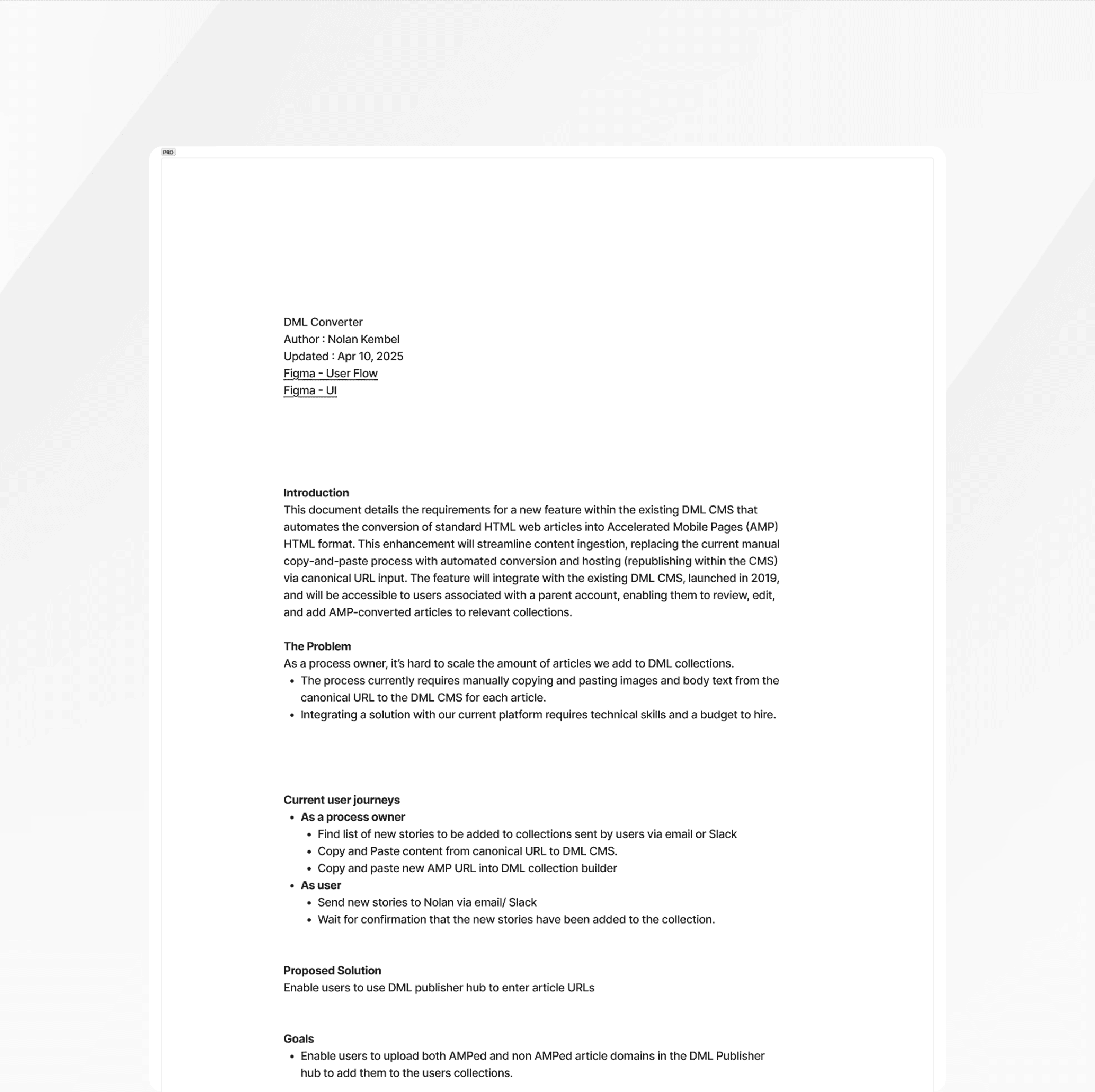
Previously, users had to use the DML CMS to manually create AMP content.
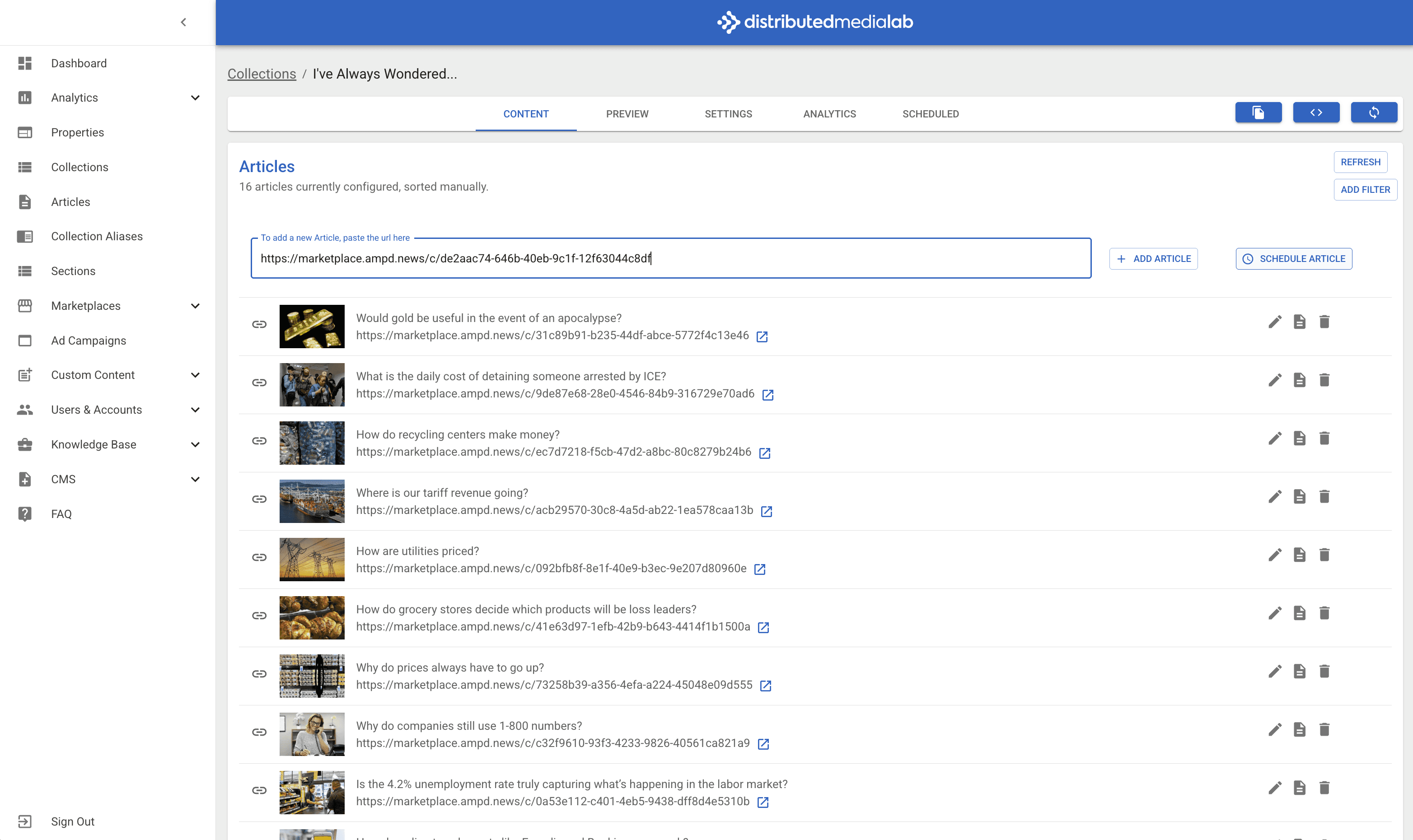
With the AMP converter, users can upload a URL and the content is automatically converted to AMP HTML (Accelerated Mobile Pages), the specification that allows content to be used in DML collections.
Research
Version 1
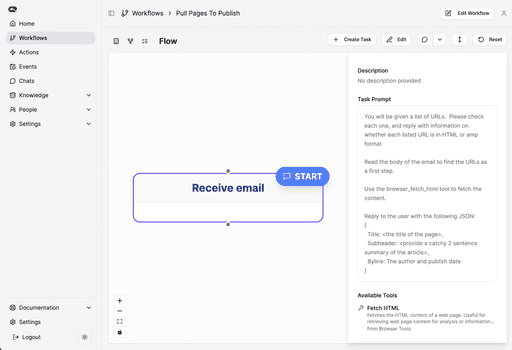
We started with a barebones tool that was built on a third party platform called Gravity Rail.
The tool used emails to submit articles rather that submitting directly on DML's internal platform.
This allowed us to bypass building the UI until we knew how the tool was going to work. Once we got the tool working we started to transition the tool to work on the DML platform.
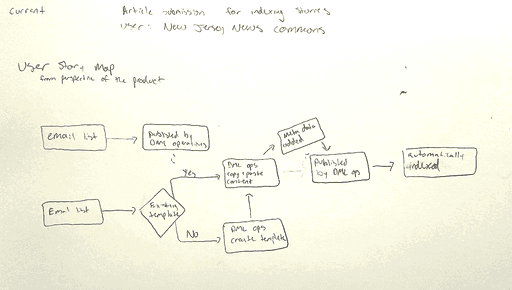
User story map sketch
Version 1 live prototype
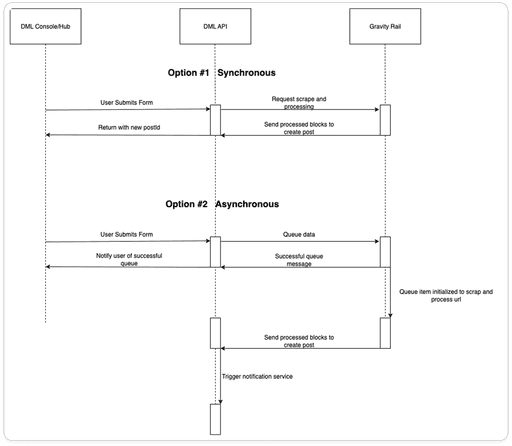
Synchronous Vs. Asyncronous
This diagram was created with our engineering team to communicate to the third party devs how we wanted our API's structured. We ended up choosing option 1 for faster conversion speeds.
Analyze
What did we learn with Version 1?
Version 1 used mainly an LLM to convert the HTML elements to AMP HTML.
What we learned was that the LLM had trouble copying text verbatim and had a tendency to hallucinate.
Engineering lowered the creative temperature of the LLM to try to avoid these creative liberties, but we still didn't have a 100% success rate.
Eventually we settle on using non-ai code for the content transfers. An added benefit of this was avoiding spending as many ai tokens.
We still needed to use AI for descriptions and finding elements when they weren't' provided in the articles metadata.
Version 2 mockup
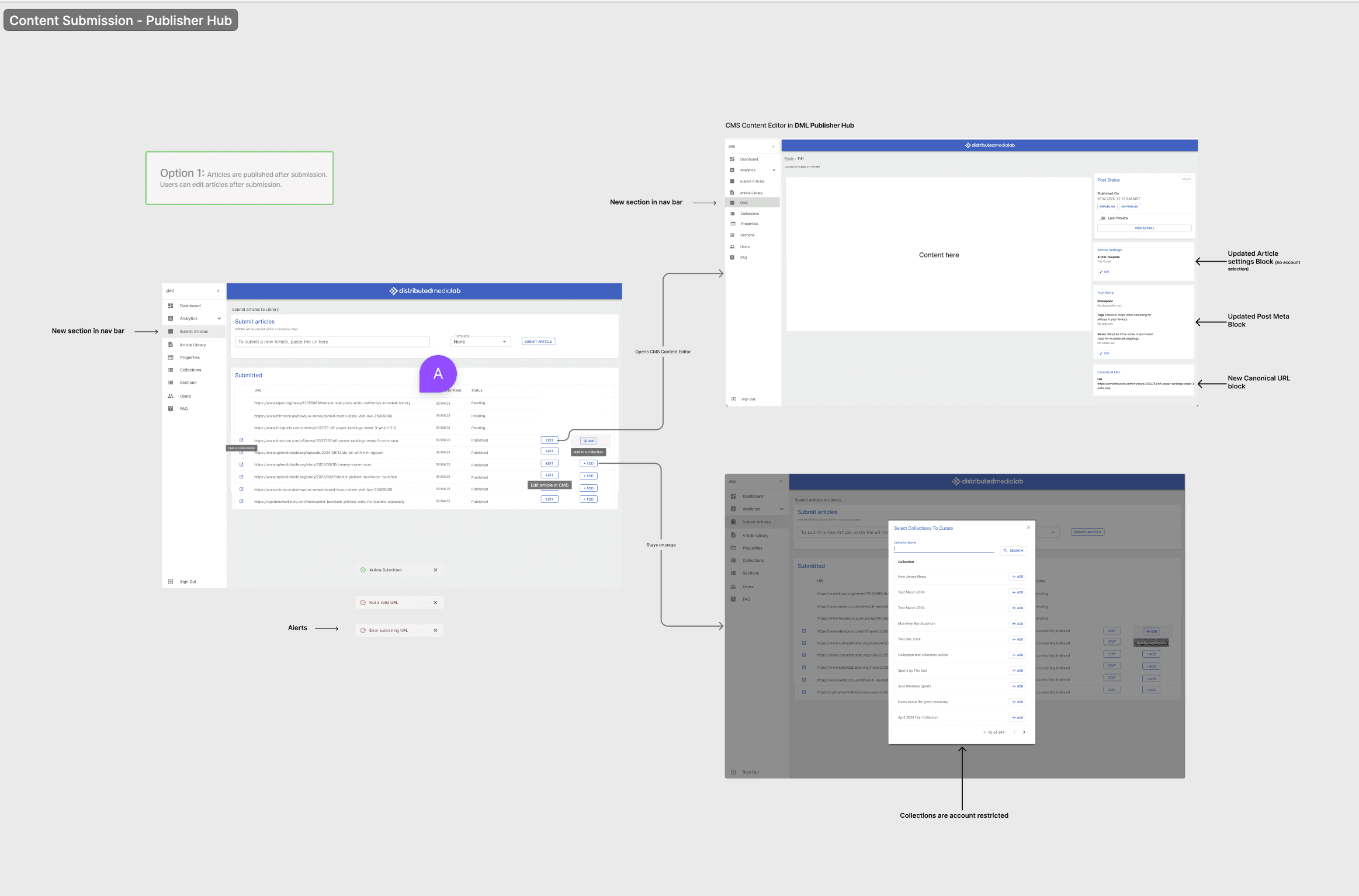
V2 mockup was created to provide reference for the engineering team.
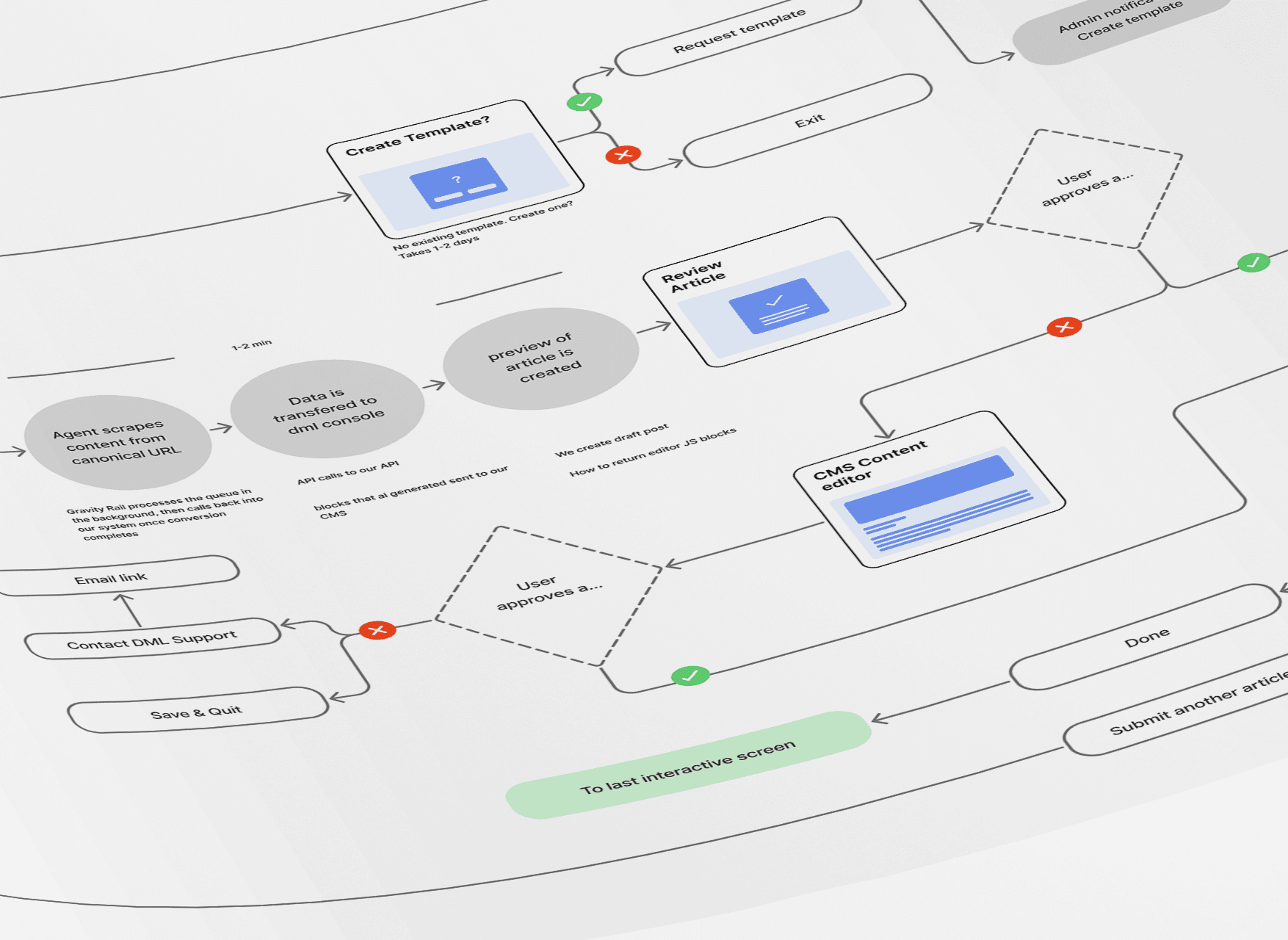
Version 2 product flow diagram
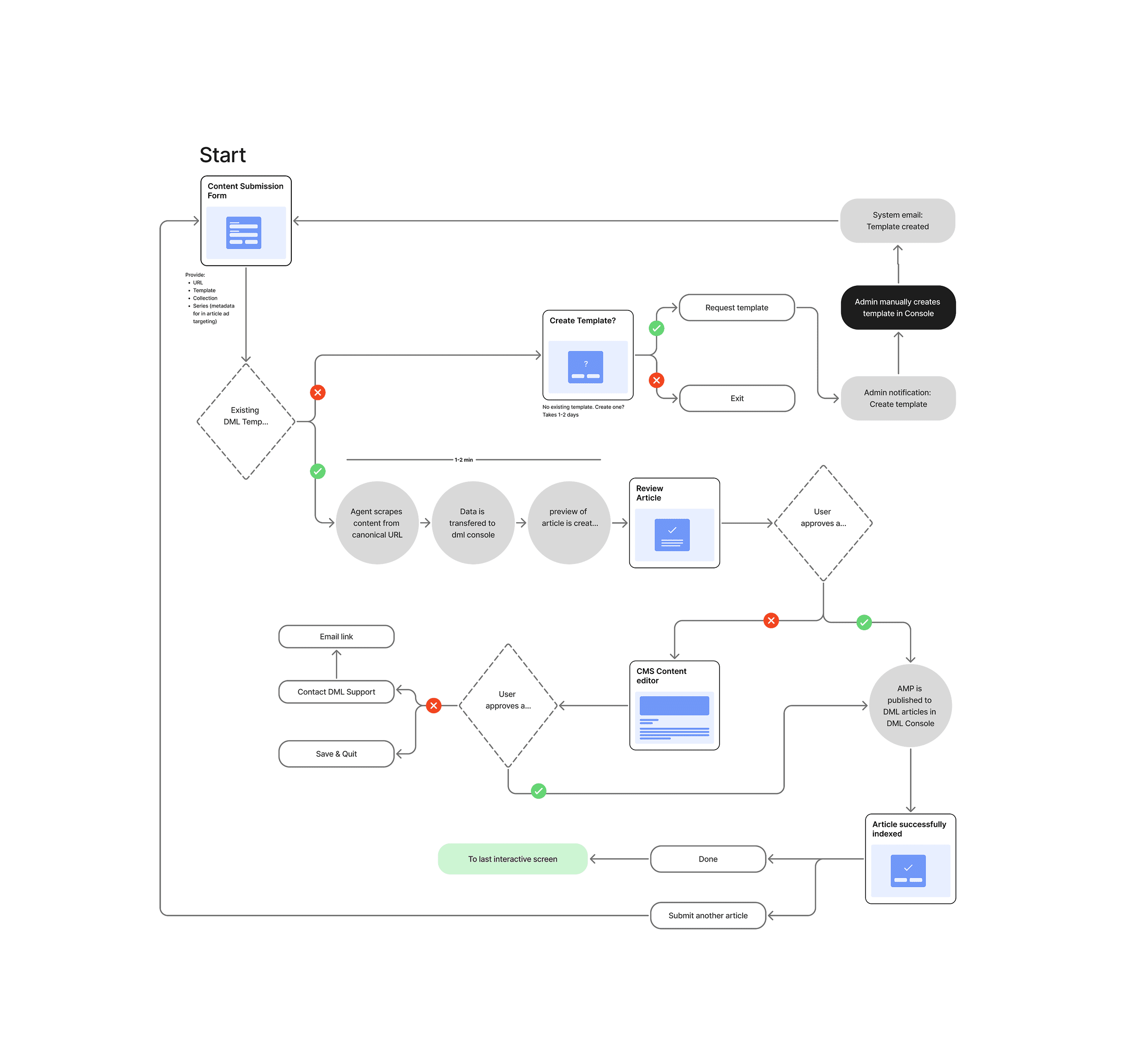
This flow was an "all encompasing flow meant to show both front and backend steps.
Results
Distributed Media Lab can now intake tens of thousands of articles per day. This was the main bottleneck preventing the platform from scaling.
Previously, articles had to be created manually in the native CMS. While the CMS is still a live feature, it is not necessary for users to upload content.
Live Product